
The Shift Away from Loud Bars and Toward Interactive Entertainment
Something’s changed in the way people want to go out. Sure, walk past your local watering hole on a Friday night and it might still be packed. But for the twenty- and thirty-somethings of today, the old "meet at a bar, drink and shout over the loud music, go home" mentality isn’t cutting it anymore. People want to do something.
It’s not that the younger generations have turned into hermits or boring adults. It’s that standing in a room, holding a beverage, and waiting for time to pass doesn’t amount to a good night anymore. It’s that there are a lot of better things to do now instead.
This isn’t to say that standing around is a good thing or that this new generation is embracing apathy. It’s that bars offer the forced interaction that no one really signed up for and extends it even more in settings where it shouldn’t be happening, like in places purposely designed to make conversation difficult. It’s tiring, and more people are realizing there’s more to life than just standing around.
When Something Else is Better Than Nothing
Interactive venues know how to exploit what traditional bars haven’t successfully explored, people bond better when they’re doing something together. There’s less pressure to feel "on" every moment, fewer awkward silences, and an organic progression to a night that doesn’t depend on someone having the best jokes or an extroverted personality.
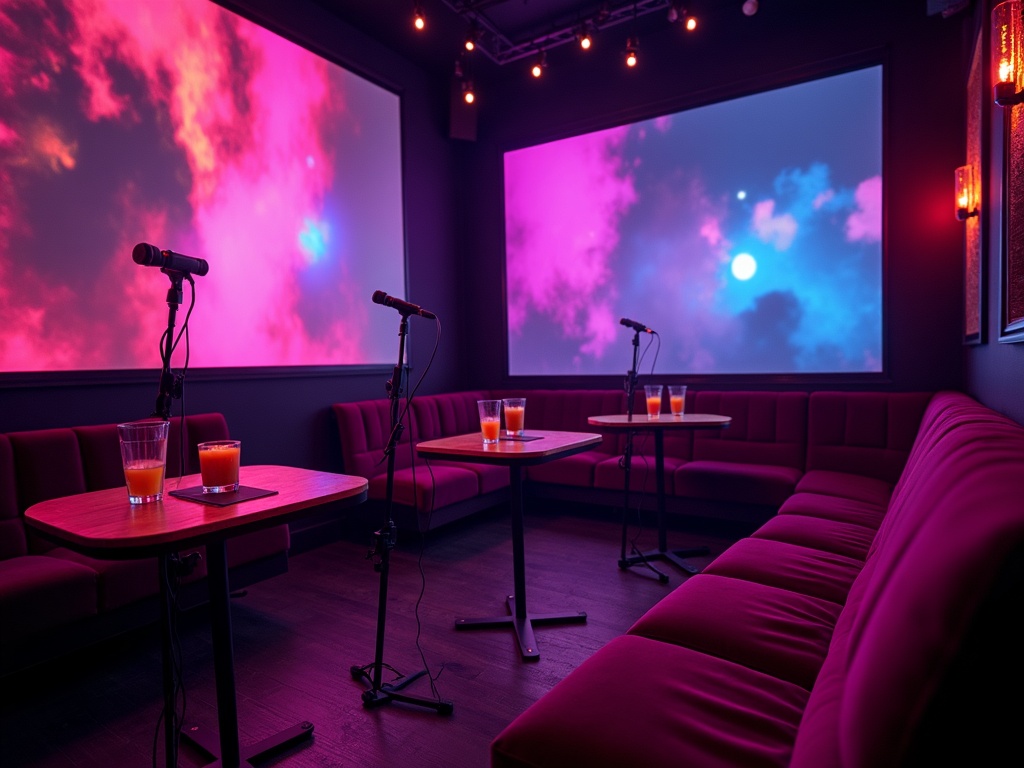
Take singing venues as an example. Options for karaoke rooms in Covent Garden and similar areas have multiplied because they solve a real problem, they give groups something to rally around besides small talk. Whether someone’s belting out power ballads or just laughing at their friend’s attempt at rap, there’s a shared experience happening that creates actual memories.
Thus, it’s not only a karaoke venue either. Escape rooms, competitive mini-golf, revamped bowling alleys with food options beyond your wildest dreams, board game cafés, all offer solace in knowing that modern socializing works best with some sort of framework. Something to do becomes the basis for socializing around it.
The Volume Issue No One Talks About
Here’s an issue that doesn’t get talked about enough: people hate loud bars. Not in a judgmental way, like "I think you’re boring." But in a "this physically hurts my ears, and I can’t hear jack" way. At some point past age 18 shouting "WHAT?" Five times in a row becomes annoying and not cute anymore.
Traditional bars rely on volume, loud music brings energy to situations, but at what cost? Energy may be high, but nothing is meaningful. Transactional conversations abound as people nod along to things they never heard anyway. By the end of the night, everyone’s voice is gone, and no one is any better off from what they had hoped was going to be intimate discussion.
Controlled environments of interactive spaces can maneuver this issue better. In private settings, groups can set their own volume levels, music can play when appropriate; silence can reign when chatting is desired. This volume control is something most owners take for granted but should not be overlooked.
Introverts Are Making This Change
It certainly helps that interactive entertainment venues emerge hand-in-hand with society’s acknowledgment that introverts exist (roughly one third to half of the population). Those who find themselves introverted have always found bars, especially ones with lots of people, exhausting. Now they have alternatives.
An activity-based locale gives those less inclined to socialize on their own time safe settings where they must do little more than exist without any social pressure. They can participate at their leisure, observe at their leisure when a break is needed, and contribute without feeling like they’re continuously "on" for convo. It’s a much more accessible nightlife atmosphere where not everyone needs to feel forced into one setting when people inherently work better when catered too differently from the usual bar atmosphere.
Thus, extroverts win too, constant conversation can be exhausting, and an activity element provides backup support when topics run dry or if someone needs a breather without any social stigma attached. Something entertaining is built into the night instead of relying upon the group’s socialized networks to fill the slot for entertainment of the evening.
Economics Matter Too
It makes practical sense as well; interactive venues are typically more cost-effective. Traditional bars thrive on consistent drink purchases throughout the night; entertainment is background noise as alcohol sale makes up their product offering.
Conversely, activity-based establishments provide an upfront charge for use (the room, the games, the material) with drinks secondary. Less pressure exists to keep buying drinks just because otherwise seating would be taken up for free; groups can pace themselves much better, and success comes with having fun regardless of drinking impetus or lack thereof.
What’s more is predictable costs, be it karaoke or escape room venues, patrons know before they enter what the night will cost. No tab at the end of the night equals no math required about whether that third or fourth round was worth it, or whether it was even ordered since moments were transparent once everyone was online and not just guessing at who ordered how much alcohol.
What This Means For Nights Out
It’s more than just a preference over venues; it’s a preference in acknowledging that socialization does not have one right answer anymore. Gone are the days where bars were arbitrarily selected for any type of social intention; now patrons bring purpose with them whether they want deep discussions (pick somewhere quiet), want to relate better through experience (something with lots of options), or want to dance in crowds (sure, traditional clubs still exist).
It’s about choice; interactive entertainment spots have created alternatives for people who no longer fit into traditional nighttime culture, and that’s not killing bars; that’s making nights out way more accessible for all.